

EMDR Is Not Just for Trauma: How EMDR Can Help with Anxiety, Grief, and Negative Beliefs
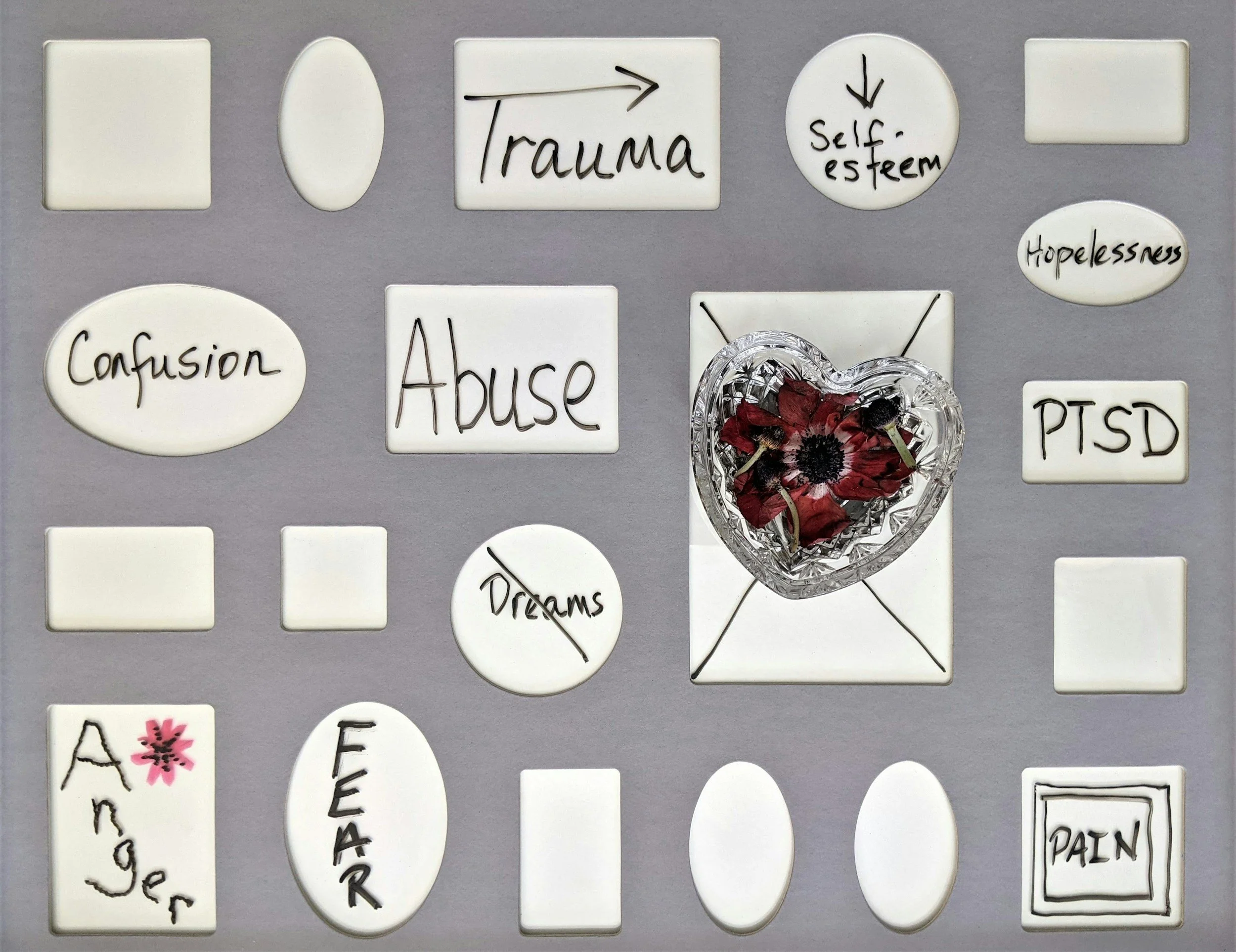
Healing isn't just about what happened to you—it's also about the beliefs and patterns that developed because of it.
When many people hear the term EMDR, they immediately think of trauma. While Eye Movement Desensitization and Reprocessing (EMDR) is widely recognized for treating trauma and Post Traumatic Stress Disorder (PTSD), its benefits extend far beyond traumatic events.
One of the most common misconceptions we hear at Living Forward is, "I don't think my experiences were traumatic enough." The truth is, you do not have to experience a single life altering event to benefit from this approach. Many people seek therapy because they feel stuck in patterns of anxiety, self doubt, grief, or relationship difficulties without realizing how past experiences continue to influence the present.
What Is EMDR?
EMDR is an evidence based therapy that helps the brain process experiences that remain emotionally unresolved. When difficult experiences are not fully processed, they can continue to influence thoughts, emotions, beliefs, and behaviors long after the event has passed.
Rather than erasing memories, this approach helps reduce their emotional intensity so they no longer have the same impact on daily life.
Anxiety
Anxiety is not always the result of one traumatic experience. Sometimes it develops through years of criticism, high expectations, uncertainty, or repeated disappointments that teach us to anticipate failure or rejection.
By processing the experiences that shaped these patterns, many individuals find they are better able to respond to everyday stress with greater confidence and flexibility.
Negative Self Beliefs
Beliefs such as:
"I'm not good enough."
"I'm a failure."
"I can't trust myself."
"I always disappoint people."
often develop gradually through repeated life experiences rather than one defining event. Therapy can help uncover where these beliefs began and reduce the emotional weight they continue to carry, creating space for healthier and more balanced perspectives.
Grief and Loss
Grief is a natural response to losing someone or something important. While therapy cannot remove grief, it can help process painful memories, unresolved emotions, feelings of guilt, or moments that continue to feel emotionally overwhelming.
The goal is not to forget, but to remember without becoming consumed by emotional pain.
Relationship Challenges
Our earliest experiences often shape how we connect with others. Past experiences of abandonment, betrayal, criticism, or emotional neglect can influence trust, communication, and the way we respond within relationships.
Processing those experiences can help break unhelpful patterns and create opportunities for healthier, more secure connections.
Trauma Is Not a Competition
Many people minimize their experiences because they compare them to someone else's story. But emotional pain is not measured by whether an experience was "bad enough."
Sometimes it is not a single event that keeps us stuck, but years of smaller experiences that quietly shaped how we see ourselves, other people, and the world around us.
Could This Approach Be Right for You?
If you find yourself repeatedly struggling with anxiety, self doubt, grief, relationship challenges, or emotional reactions that seem larger than the situation itself, this approach may be worth exploring.
At Living Forward, treatment is individualized to your unique experiences and goals. EMDR is one of several evidence based approaches we integrate when appropriate to help clients process difficult experiences, develop healthier beliefs, and move forward with greater clarity and confidence.
Healing is not only about recovering from trauma. Sometimes it is about understanding what has been holding you back and creating space for lasting change.